BMT or VDI? How to tell which turret you actually have
This is the question that causes most of the wrong orders in driven tooling. The machine model on the nameplate does not tell you the mounting — the turret does. And the two systems are not variations of the same idea; they mount in completely different ways.
The short version
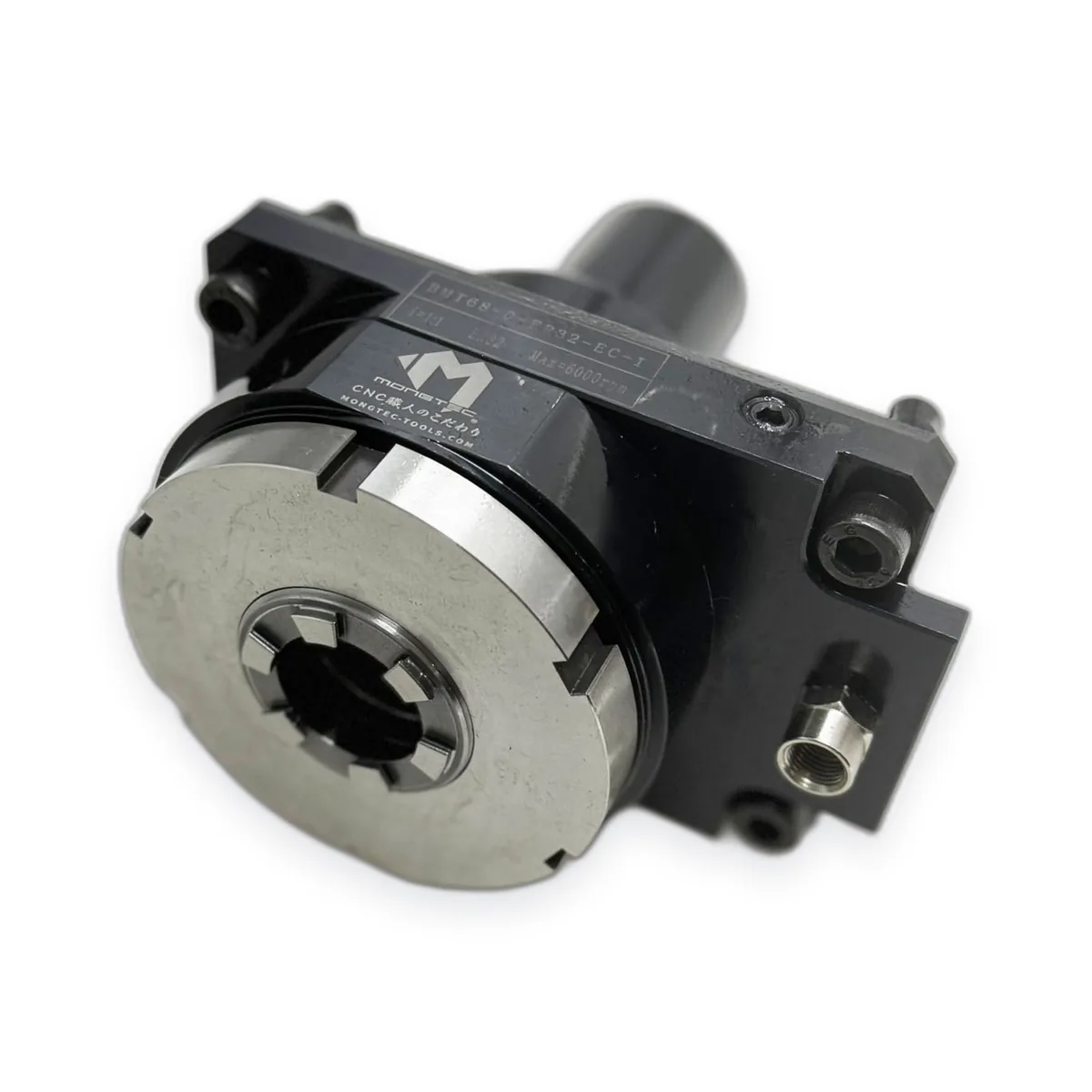
BMT is a face mount. The holder has a flat flange that bolts directly onto a machined pad on the turret disc, with a coupling for the driven-tool input. The holder is located by that face and by the bolt pattern.
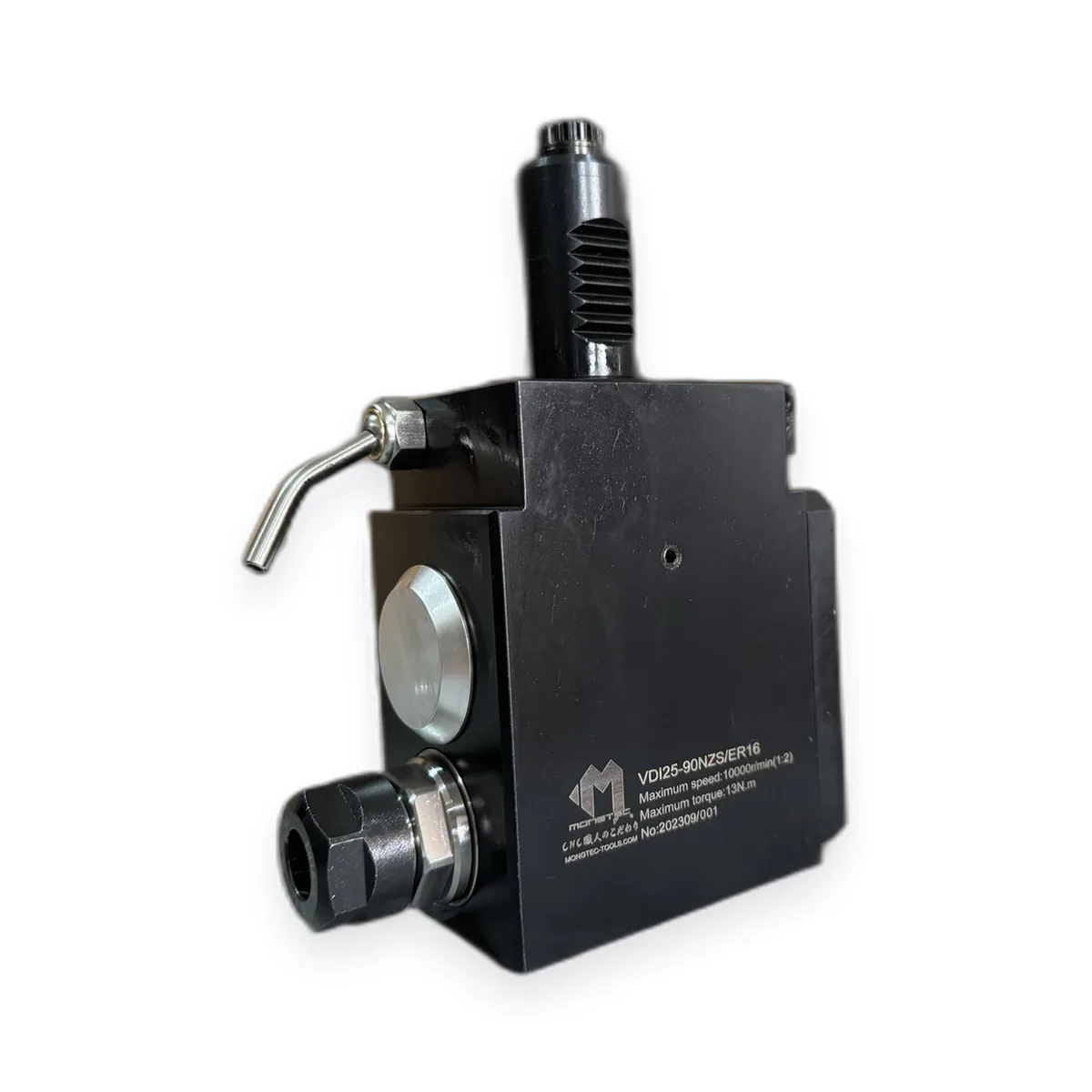
VDI is a shank mount. The holder has a cylindrical shank with a toothed rack on one side; the turret clamps it from behind and pulls it into a bore. The holder is located by the bore, and it can be turned to the angle you want before it is clamped.
BMT — flat flange bolts onto the turret faceVDI — cylindrical shank, clamped from behind
How to tell in thirty seconds
Look at the turret disc itself, not at the machine nameplate. Round bores spaced around the periphery, each with a clamping screw beside it, means VDI. Flat machined pads with bolt holes and a locating key or coupling means BMT. If the holder slides in axially and is clamped from behind, it is VDI; if it sits on the face and is pulled down by bolts, it is BMT.
The nameplate will not answer this. The same lathe model is often built with either turret, depending on the year and the market it was sold into.
What each one is good at
VDI gives you speed and adjustability: a station can be changed quickly, and the holder can be indexed to the angle you need before clamping. Height is set through the shank, so presetting is straightforward.
BMT gives you the joint itself — a large flat contact area held by several bolts, which is why it is usually the choice where driven-tool rigidity and repeatability matter most. The trade-off is that changing a station takes longer.
The part that catches people out
VDI is a published standard: the shank and its serration are defined (DIN 69880, now ISO 10889), so a VDI 30 shank is a VDI 30 shank whoever made it. BMT is not published by ISO or DIN. The nominal size — BMT45, BMT55, BMT65, BMT75, BMT85 — tells you roughly which family you are in, but bolt-hole positions, key location and the driven-tool coupling can differ between machine builders, and sometimes between generations from the same builder. That is why a BMT order needs the machine model and, ideally, a photograph of the turret face, while a VDI order usually needs only the size.
What to send us
A photograph of the turret face taken straight on, the machine model and the station number are enough for us to identify the interface in almost every case. If you have the turret drawing, send that instead — we will check the bolt pattern and key position against it before we quote. That check is free.